
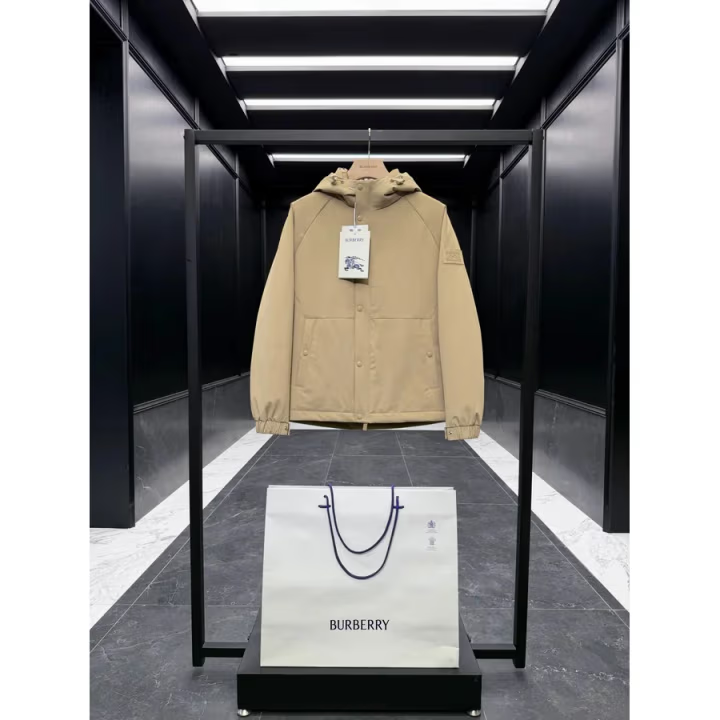
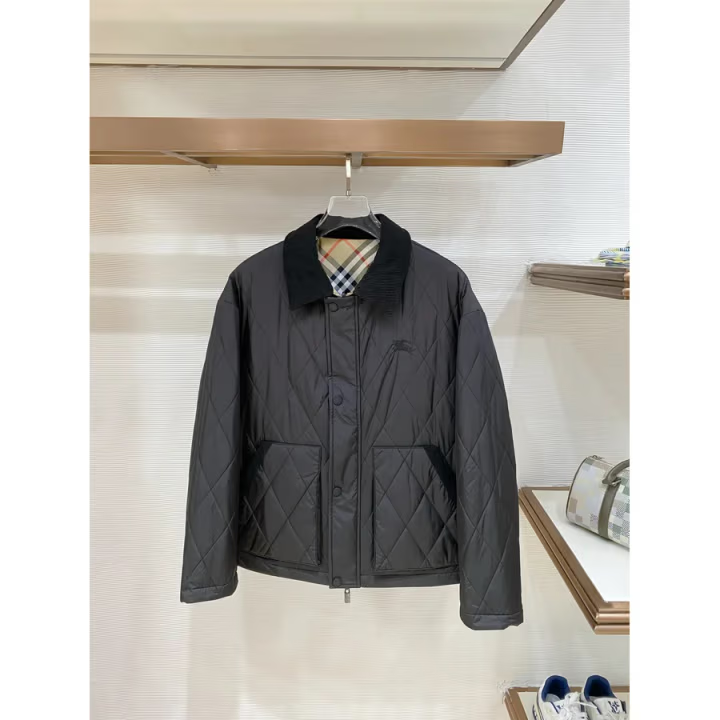

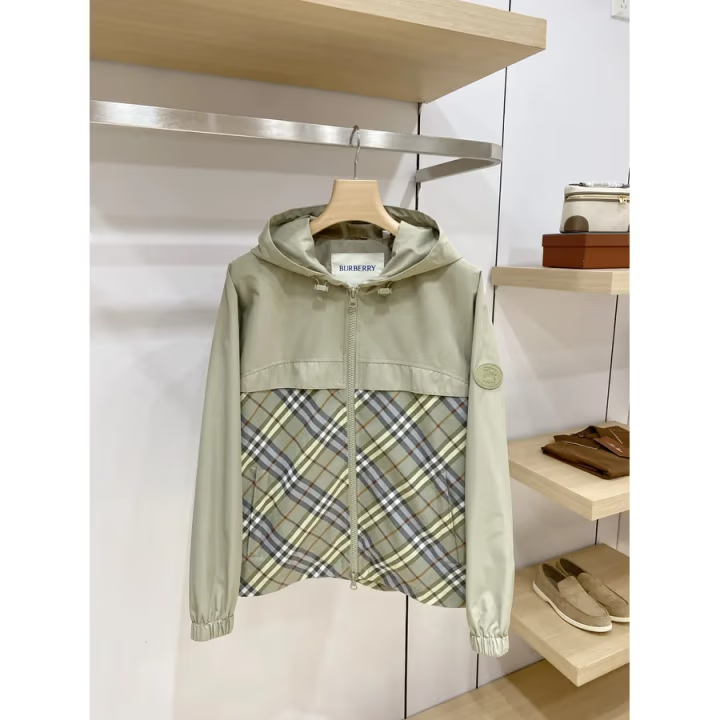
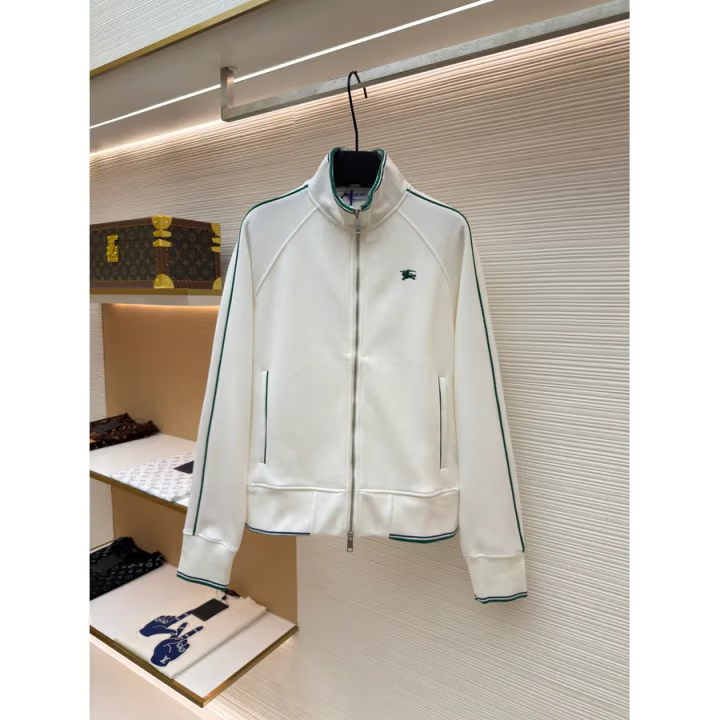
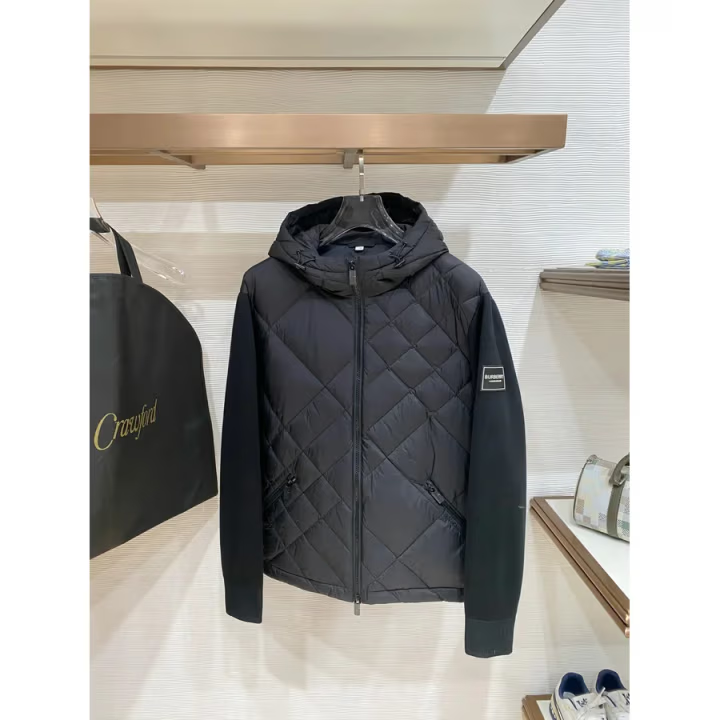
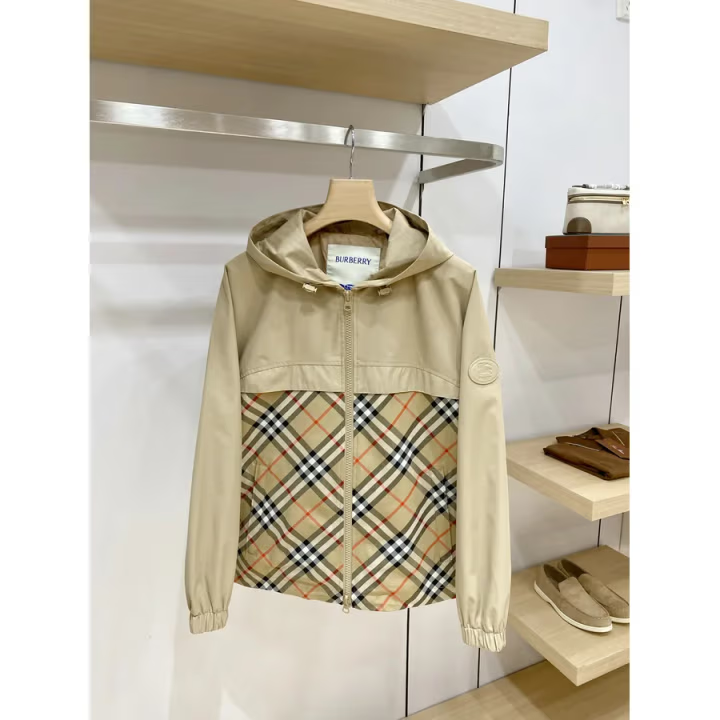
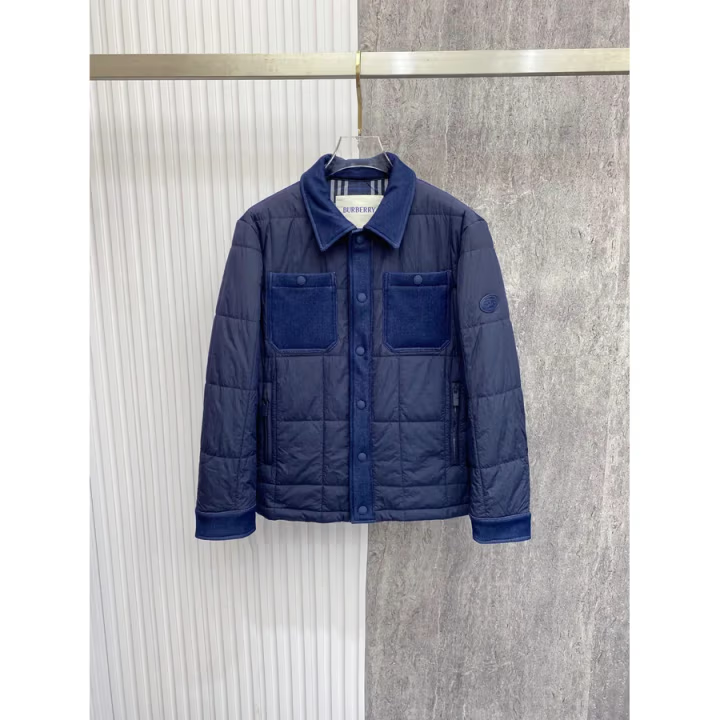
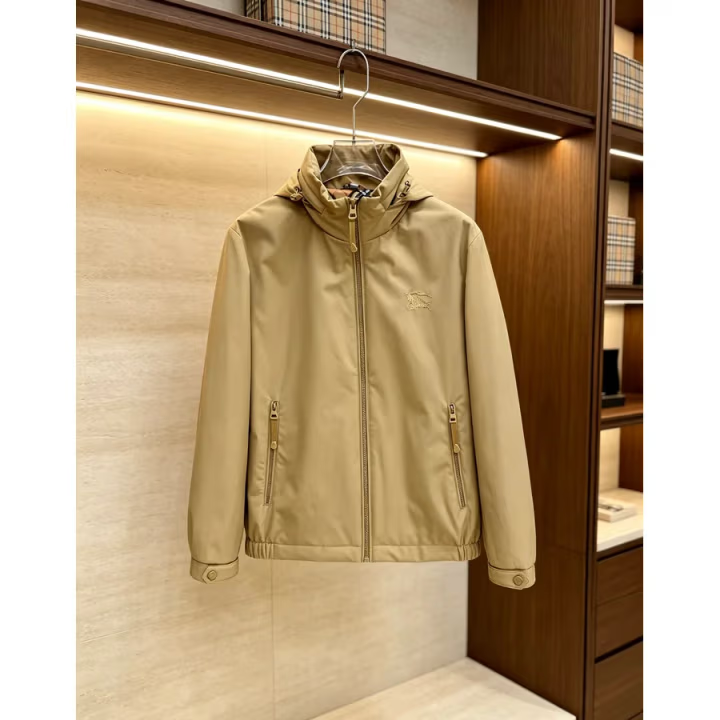

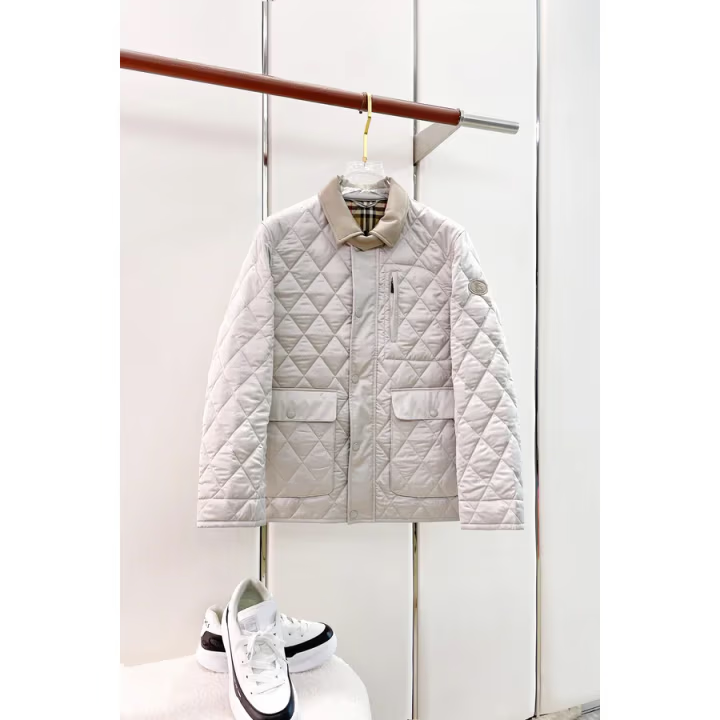
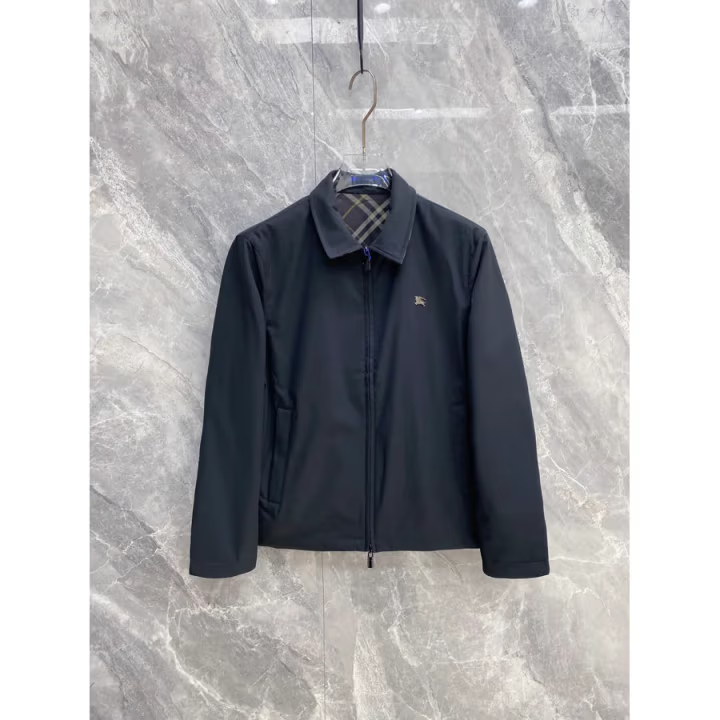
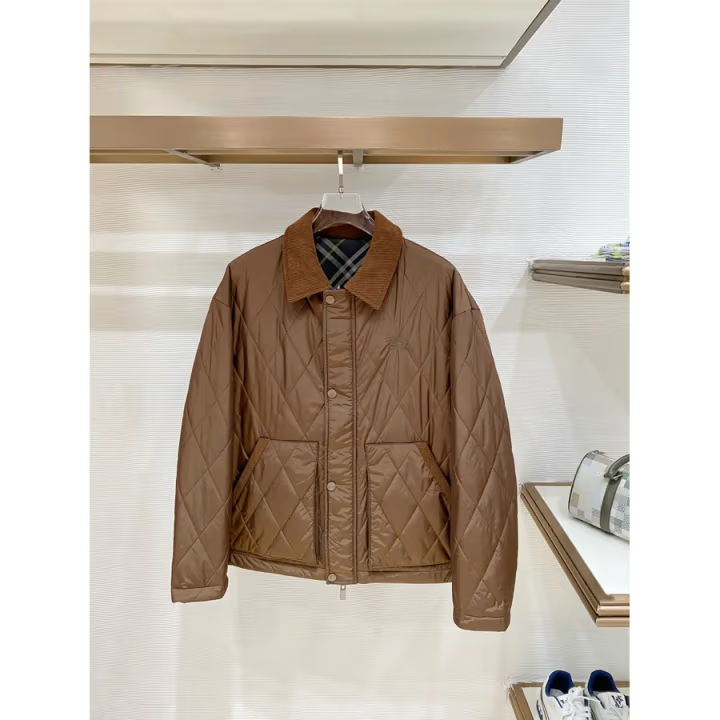
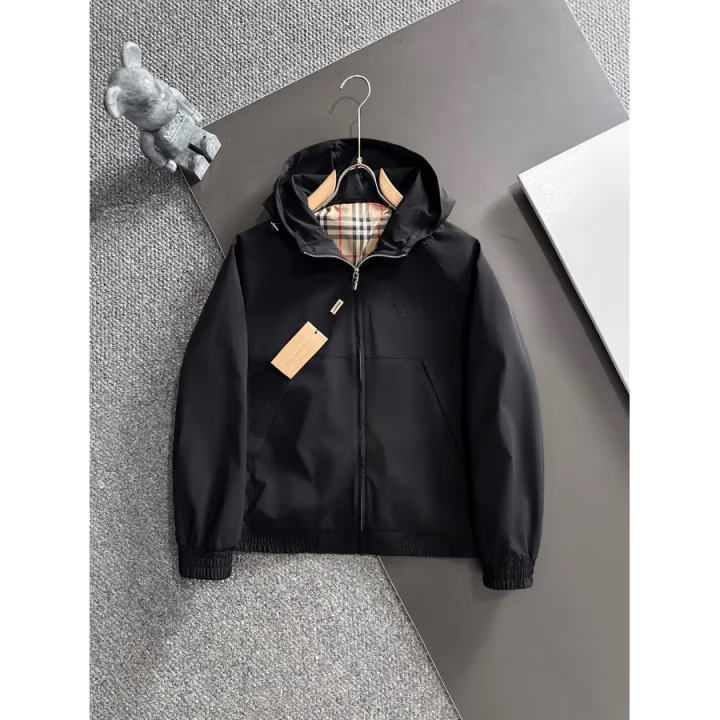



A 30 cm spread sits inside one collection
The Heritage trench family includes three fit names and several length words. At size UK 10, the short Kensington is 87 cm, the mid-length styles are 97 cm, the long versions are 107 cm and the long Waterloo is 117 cm. That is a 30 cm difference from shortest to longest, built from two equal steps of 10 cm, so a single model name covers 20 cm of coat while the size label stays the same. The men's line repeats the words on an Italian ladder: 88 cm for the short Kensington at IT 48, 89 cm at IT 50, and 116 cm for the long Kensington at IT 50, a 27 cm spread inside one name. Two ladders, two sets of numbers, no shared row. Measure centre-back length from collar seam to hem and compare it with a coat whose ending point already works for you, rather than with a size number from another line.
Chelsea, Kensington and Waterloo are cuts
Chelsea is the slimmer Heritage fit, with a structured shoulder, set-in sleeves and a defined waist. Kensington offers more room at the chest and through the body for lightweight layering. Waterloo is the long, roomy style with soft curved shoulders and raglan sleeves, a construction that lets the shoulder area give where a set-in seam pulls, which is why it is the most forgiving of the three on a broader or squarer frame. The names are construction choices, not size labels, and they have not been stable: Burberry lists the Waterloo as a regular fit now, while earlier seasons carried the same name labelled oversized, so a coat from that period is the roomier of the two. Burberry's own instruction on every Heritage page is to take your normal size, while retailers selling the same coat advise one size up for layering. The two notes assume different layers under the same body.
The size chart measures the wearer
Burberry's women's ready-to-wear chart places UK 10 with US 8 and IT 42, and gives body bust, waist and hip measurements. Those figures locate the intended wearer; they do not state the coat's outer chest. The trench pages add a published garment length, but many still omit finished shoulder and chest. Ask the seller for those two measurements plus sleeve. If you intend to wear a blazer underneath, compare the coat chest with that complete layer rather than with your body alone.
Shoulder and sleeve decide layering
A slim trench can fit at the body chart and still restrict a jacket underneath through the upper arm and shoulder. The Kensington's extra room is intended for light layering; the Chelsea is cut closer. Raglan sleeves on Waterloo change the shoulder line and can sound roomier even when the chest is not much larger. Ask whether the shoulder measurement follows a set-in seam or the raglan curve, because the two are not comparable. A straight back photograph with arms relaxed helps show where the fabric pulls.
A jacket query with the right evidence
Send the model, length word and size, then ask for centre-back length, chest flat and doubled, shoulder measured with the construction named, outside sleeve and hem width. Add the thickest layer you will wear beneath the jacket. For a trench, also confirm the belt and vent layout in the exact reference. This keeps the choice within one model rather than comparing an 87 cm short trench with a 107 cm long one as though both established the same length.
How to decide between adjacent sizes
When the body chart places you between sizes, the layer answers the tie. A coat worn over tailoring needs shoulder and upper-arm clearance before extra chest width; a coat worn over a fine knit can stay closer. Check the finished back length, because moving up can change the hem as well as the body. If the two sizes share a comfortable shoulder, prefer the one whose chest clears your thickest layer. If neither shoulder is right, changing model from Chelsea to Kensington may be more useful than changing number.